【Free Shipping】Katsuki Farm Coriander 50g/10 bags【Directly from Japan's #1 Producer】
【Free Shipping】Katsuki Farm Coriander 50g/10 bags【Directly from Japan's #1 Producer】
Couldn't load pickup availability
We deliver fresh, harvested cilantro directly from Kurume City, Fukuoka Prefecture.
[Introduction of the Producer]
Katsuki Saien is Japan's leading individual cilantro producer.
(*According to 2016 Ministry of Agriculture, Forestry and Fisheries statistics)
Katsuki Saien's cilantro grows vigorously, nurtured by the rich land and water of the Chikugo River, the only class A river in Kyushu. Its annual shipment volume is an astonishing over 100 tons! Shipments reach all over Japan, from Hokkaido to Okinawa, accounting for approximately 20% of the national market share.
Furthermore, the quality is backed by 19 years of cultivation experience and knowledge, and of course, the freshness is also a priority, earning high praise from our business partners such as:
"It has a long shelf life," "It looks beautiful," and "The crispiness is different."
Please take this opportunity to try Japan's best cilantro!
↓Katsuki Saien promotional video↓
[Why is Kurume City, Fukuoka Prefecture, Japan's largest producer?]
Kurume City, Fukuoka Prefecture, is the third-largest city by population in Fukuoka Prefecture, located in the basin of the Chikugo River, the only class A river in Kyushu. Kurume City has long flourished in rice and vegetable farming, utilizing the fertile soil and water sources brought by the Chikugo River.
However, the summers in Kyushu are extremely hot, making it a very difficult region to cultivate vegetables like lettuce and spinach during the summer. So, Katsuki Saien took on the challenge of cultivating cilantro as a trial, thinking that vegetables eaten in hot countries like Southeast Asia might grow well. That was the beginning.
19 years ago, when Katsuki Saien started cultivating cilantro, the name "cilantro" was not yet widely known in Japan. It was called coriander or xiangcai (香菜) and circulated in small quantities as a herb or a spice for Chinese cuisine.
As a minor item, there was no cultivation manual at the time. After about 5 years of trial and error, they were able to cultivate it stably. With the boom called the "cilantro craze," they expanded production. As pioneers, they continued to meet the demand, resulting in Japan's largest production volume.
[What makes Katsuki Saien's cilantro different?]
①Different handling volume!
Katsuki Saien's average daily shipment volume is over 300 kg. They make full use of 98 vinyl greenhouses across 4 hectares, harvesting almost every day and shipping daily. This allows them to maintain a stable number of shipments.
②Different freshness!
Harvested cilantro is immediately cooled in a refrigerator kept at 2℃ and shipped out continuously without being stored. Even to distant locations, it is sent directly via Sagawa Express, ensuring it reaches customers in the freshest possible condition.
③Different taste!
Many people, I believe, have had a bad experience with cilantro when eating it abroad. Katsuki Saien's cilantro is, of course, all domestically produced. Furthermore, the groundwater in Kurume City is soft and delicious, and the cilantro grown with this high-quality groundwater and the fertile soil of the Chikugo Plain has less of aクセ (strong, unique flavor) and even a subtle sweetness. Please set aside your preconceptions and give it a try!
④Different experience!
Katsuki Saien's cilantro production began 19 years ago, when the name "cilantro" was not yet widely recognized in Japan. While there was a boom for a while and the number of production areas and producers has increased, the accumulated reliable experience, technology, and know-how are reflected in its reliable quality and continue to evolve.
⑤Different agility!
If we handle the most cilantro in Japan, we want to fulfill our customers' every request the most. We can accommodate various standards, lot sizes, and packaging. Please feel free to inquire.
[Q. How can I eat it deliciously?]
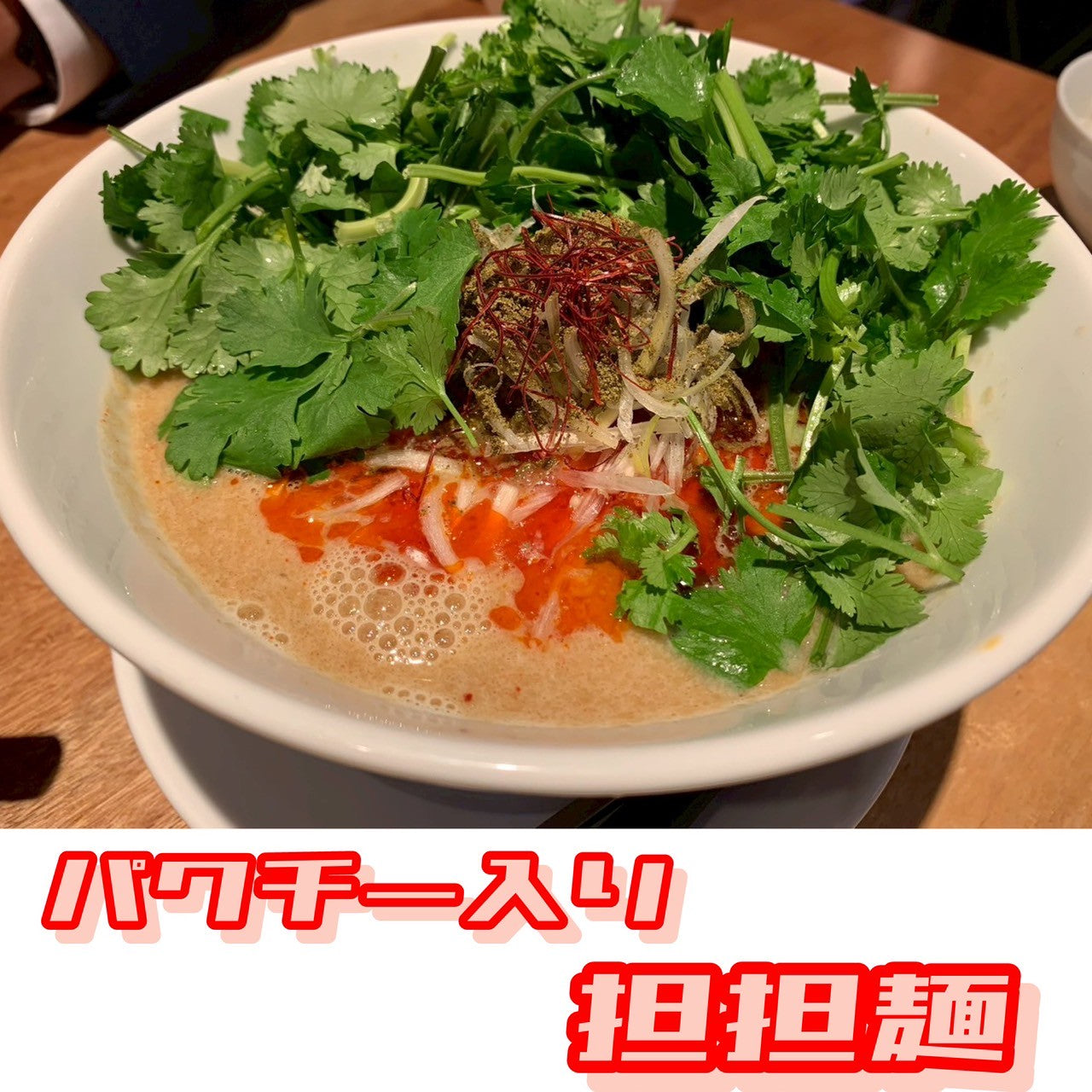
A. Actually, cilantro is in the same family as Japanese Mitsuba and Seri. While cilantro is often thought of only for ethnic and Southeast Asian cuisine, it surprisingly goes well with Japanese food. For example, in dashimaki tamago (rolled omelet), ohitashi (blanched vegetables), hot pot, or tempura, the mild flavor of domestically grown cilantro might become addictive.
Also, the roots are also a perfectly edible part. It's a waste to throw them away! When heated, they have a fluffy texture and a different, delicious flavor than the leaves. First, try them as tempura. They are also recommended as an ingredient in fried rice, yakisoba, and soups.
[Q. What ingredients pair well with it?]
A. Meat and fish, of course, but it especially pairs well with lamb, enhancing its umami. Also,
citrus fruits such as lemon, lime, and grapefruit
herbs such as lemongrass, mint, and sage
spices such as garlic, cumin, anise, and fennel seeds
also pair well.
So, you can use a lemon-flavored dressing for salads, add it to curry, or use it in hot pot sauce. It's truly a versatile supporting ingredient, whether in motsunabe (offal hot pot) with garlic, kimchi, stir-fries, or finely chopped into salsa sauce.
Please try adding cilantro to various dishes!
[Q. Is it possible for commercial use or B to B?]
A. Of course, it is possible. Currently, in this mall, we offer:
click!"Click here for 1kg commercial use"click!
click!"Click here for 3kg commercial use"click!
click!"Click here for 5kg commercial use"click!
For B to B inquiries, please contact us directly through the inquiry section of the "Shop Page"!
[About Shipping]
Basic shipping is free.
An additional shipping fee of 500 yen will be charged for Hokkaido and Okinawa Prefecture.